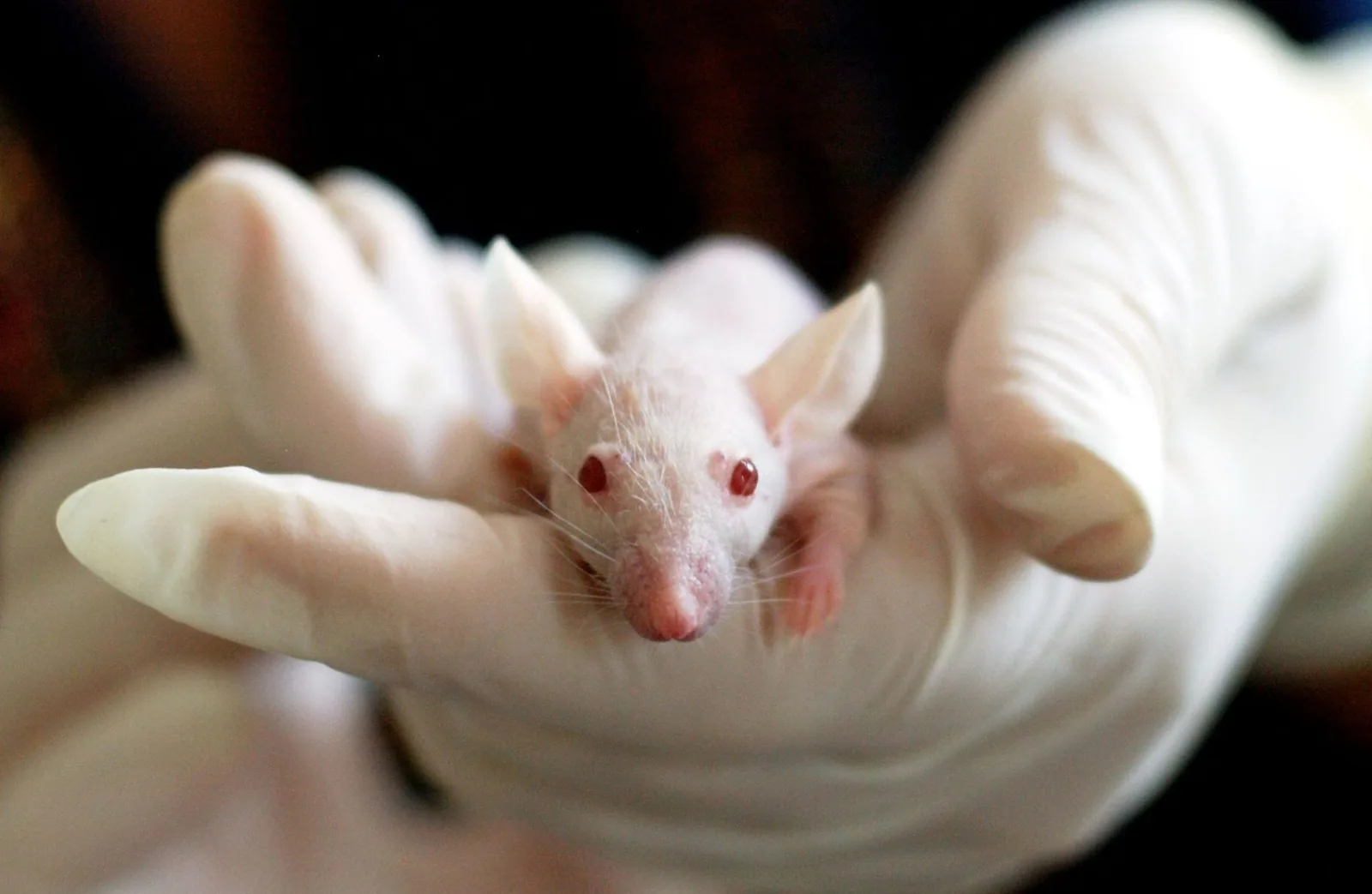
What are xenocortical mice? A plain-English guide
In September 2026, researchers at Stanford announced mice whose brains are half human tissue. Here is what the animals actually are, in language that does not need a neuroscience degree.
Announced 16 September 2026 · Stanford University · Nature
Researchers grew human brain tissue inside mice engineered without their own cortex, then watched it wire into a living brain. This site explains what xenocortical mice are, why they were built, and what they force us to ask about minds made of tissue — or of silicon.
~4M
human cells per brain
50%
of the brain by volume
100K
cells per injection
3
months to integrate
Start here
No jargon, no hype. Each card leads to a full explainer with the sources behind every claim.
No. 01 — The animal
A mouse whose cortex and hippocampus were mostly replaced by living human brain tissue, grown from donated skin cells and injected at birth. "Xeno" means foreign; "cortex" is the outer brain.
Read the explainerNo. 02 — The purpose
The human brain is inaccessible and no animal brain is a good copy of it. Grow a patient's brain cells in a living animal and you can watch a disorder take hold — and test drugs on human tissue.
Why it mattersNo. 03 — The question
The tissue is immature and the mice showed no gains in ability. But this work is the closest anyone has come to growing human neural machinery inside an animal — and the ethics debate is real.
The ethics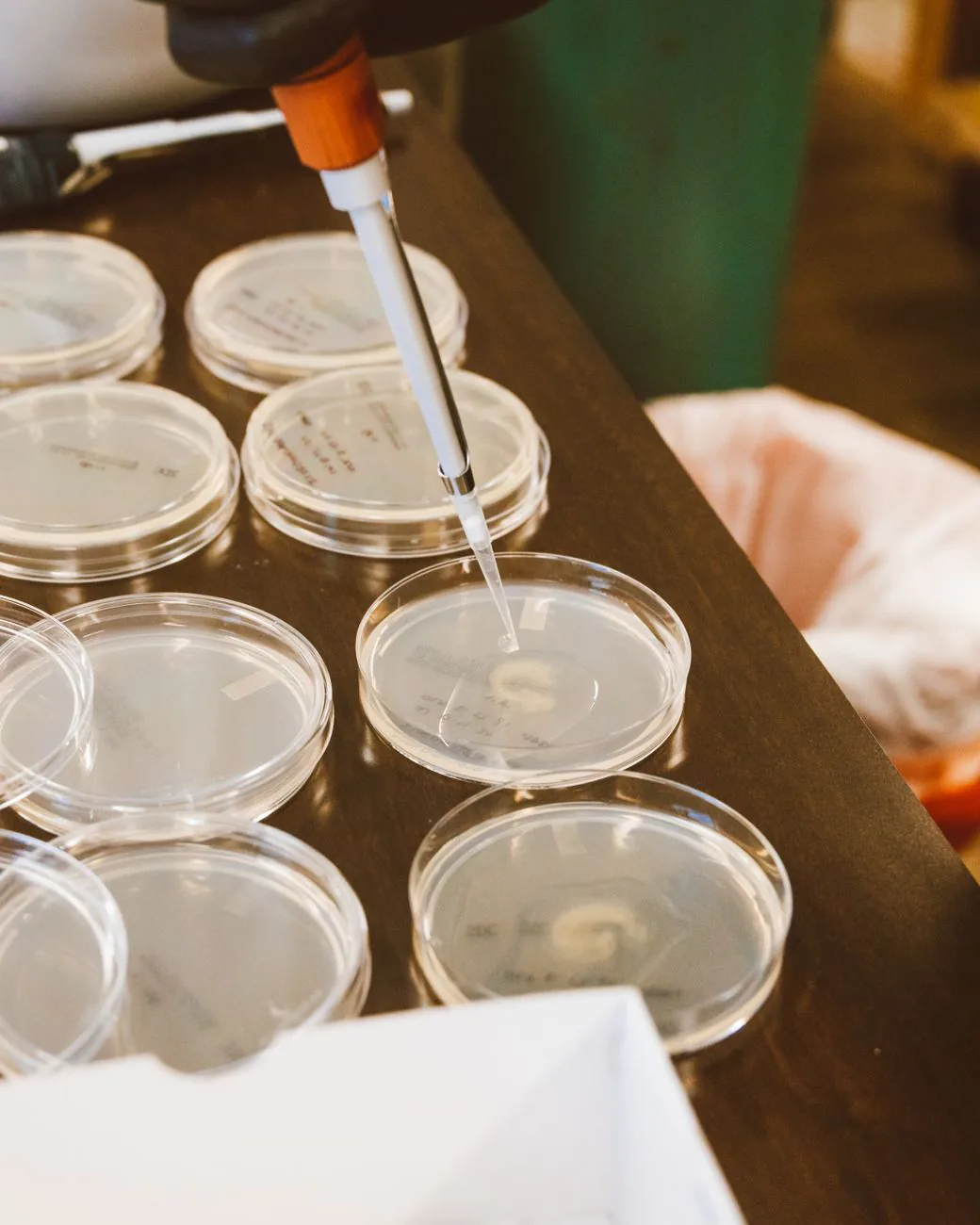

From the field guide
In September 2026, researchers at Stanford announced mice whose brains are half human tissue. Here is what the animals actually are, in language that does not need a neuroscience degree.

The human brain is locked inside a skull and no animal brain is a good copy of it. That is why schizophrenia, epilepsy and dementia still have so few real treatments.

The tissue in these mice is immature and the animals were not enhanced. But the ethical questions start long before any mouse gets smarter.
ChatGPT learns from oceans of data on silicon. A xenocortical mouse learns from a body, on living neurons grown from human DNA. The comparison says a lot about both.
Sergiu Paşca, Stanford University
“In psychiatry and neurology we’ve been left behind by every single branch of medicine. Our goal has been to make aspects of human brain development and function accessible for investigation.”
As quoted in The Guardian, 16 September 2026
Two bets on what a mind is
AI companies build minds by training silicon on oceans of data. The xenocortical work grows a sliver of the biological machinery of a mind from human DNA. The two approaches could not be more different — or more likely to shape each other.
| Machine AI (silicon) | Xenocortical tissue (wetware) | |
|---|---|---|
| Substrate | Transistors and GPUs, engineered from the outside | Living human neurons, grown from donated cells |
| How it is made | Trained on enormous datasets, copied at will | Grows and organizes itself, one unique organism at a time |
| Learning | Pattern from data — no body, no senses, no lifetime | Embodied — wired into a mouse that moves, feels and forgets |
| Current scale | Trillions of parameters, superhuman in narrow tasks | About 4 million cells, roughly half of a mouse brain, immature |
| Consciousness question | Debated whether any amount of computation could have experience | Cells are human and neural, but the tissue is far too immature to resemble a human mind |
| Main risk debated | Misuse, control, alignment | Animal welfare, moral status of chimeras, where to draw lines |